 30 September 2026

A Timeless Story from Hindu Tradition
By Publisher Ray Carmen
Among the world’s oldest living faiths, Hinduism offers a profound and poetic understanding of the origin of the universe.
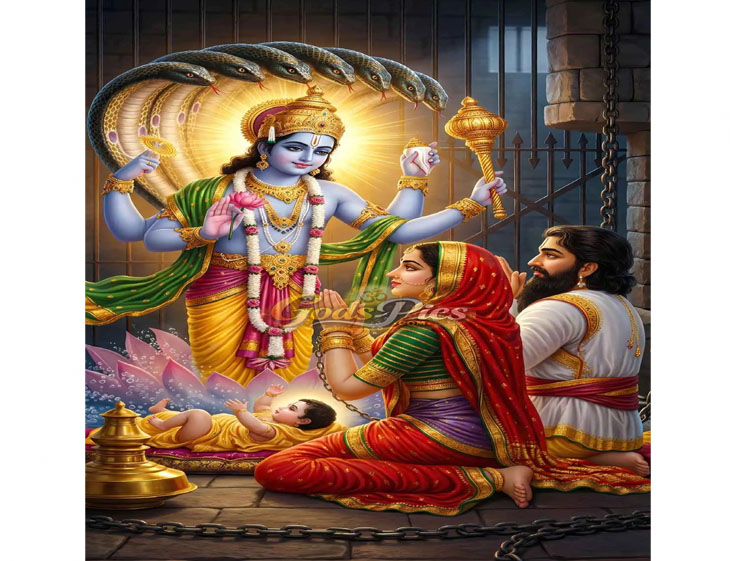
According to Hindu tradition, before creation there existed an infinite cosmic ocean. Resting upon the great serpent Shesha, the god Vishnu lay in a state of serene meditation, preserving the eternal order of existence.
From Vishnu’s navel emerged a magnificent lotus flower. Seated upon that lotus was Brahma, the Creator, who was entrusted with bringing the universe into existence.
Hindu scriptures describe Brahma shaping the heavens, the earth, the stars, time and all living beings. His work marked the beginning of a new cosmic cycle, reflecting the Hindu belief that the universe is continually created, sustained and renewed over immense periods of time.
Within the Hindu Trimurti, Brahma is honoured as the Creator, Vishnu as the Preserver, and Shiva as the Transformer, whose role prepares the way for new creation. Together, these three divine aspects symbolise the continuous rhythm of birth, life, transformation and renewal.
Unlike many traditions that describe a single beginning, Hindu philosophy teaches that the universe moves through vast recurring cycles spanning billions of years. Each cycle represents creation, preservation, dissolution and rebirth, illustrating the eternal nature of existence.
For millions of Hindus around the world, this sacred story is more than mythology—it is a spiritual expression of the relationship between the universe, the divine and humanity’s place within the cosmic order.
Whether viewed through the lens of faith, philosophy or culture, the story of Vishnu, Brahma and creation continues to inspire wonder and reflection thousands of years after it was first told.